
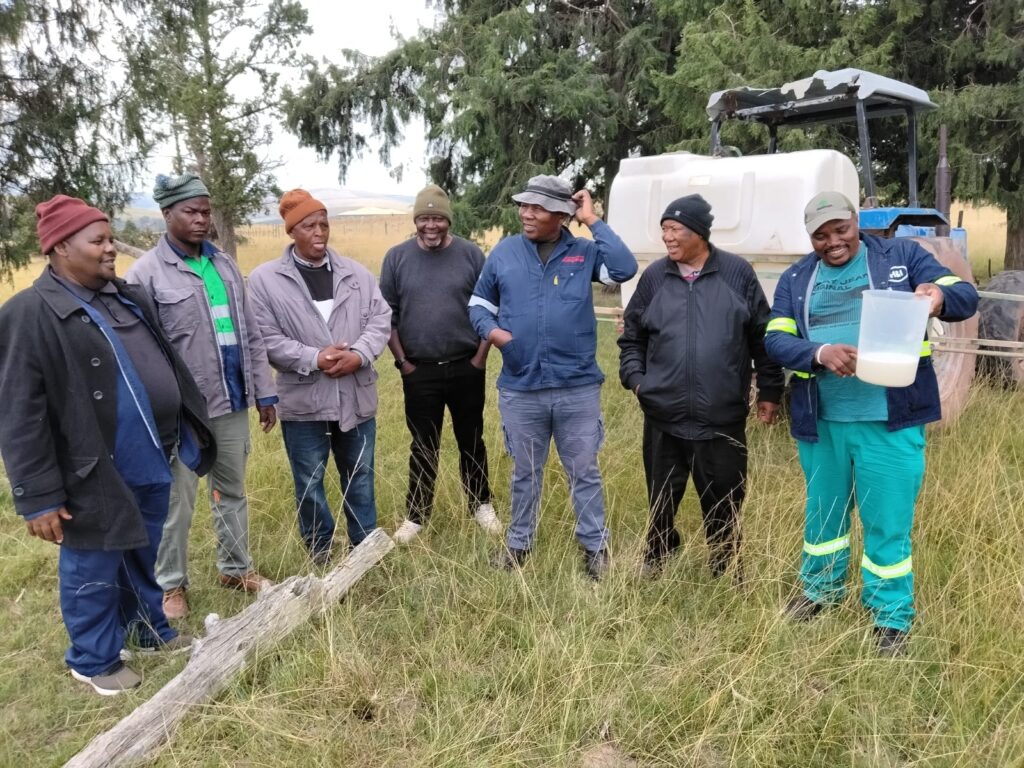


The development coordinators make every effort to involve the extension officers of the Department of Agriculture in the study group meetings.
Soil acidity; food security; weed control; soil and climate; soil conservation and soil moisture conservation; calibration of sprayers; plant nutrient requirements; pest control; and several more.
Trials are a wonderful way of showing farmers the right thing to do. The development co-ordinators in the various regions make contact with the input supply companies and involve them in the trials. Every effort is made to plant and manage the trials in a way that is both progressive and technologically advanced, while at the same time within the reach of the developing farmers.
It is crucial that the farmers should be exposed to a local network of support that will be available to them in the longer term. During farmer's days, all role-players and stakeholders in the industry are invited to participate - to give lectures on their areas of expertise and become acquainted with the farmers.
Several categories exist in which developing farmers can participate. These are:
Subsistence category – Farmers producing grain on 0 – 3 hectares
Smallholder category – Farmers producing grain on 3 – 35 hectares
Potential Commercial category – Farmers who farm more than 35 hectares but have not yet reached the 250 ton mark
New Era Commercial category – Farmers producing 250 tons or more of grains
Support to advanced and black commercial farmers
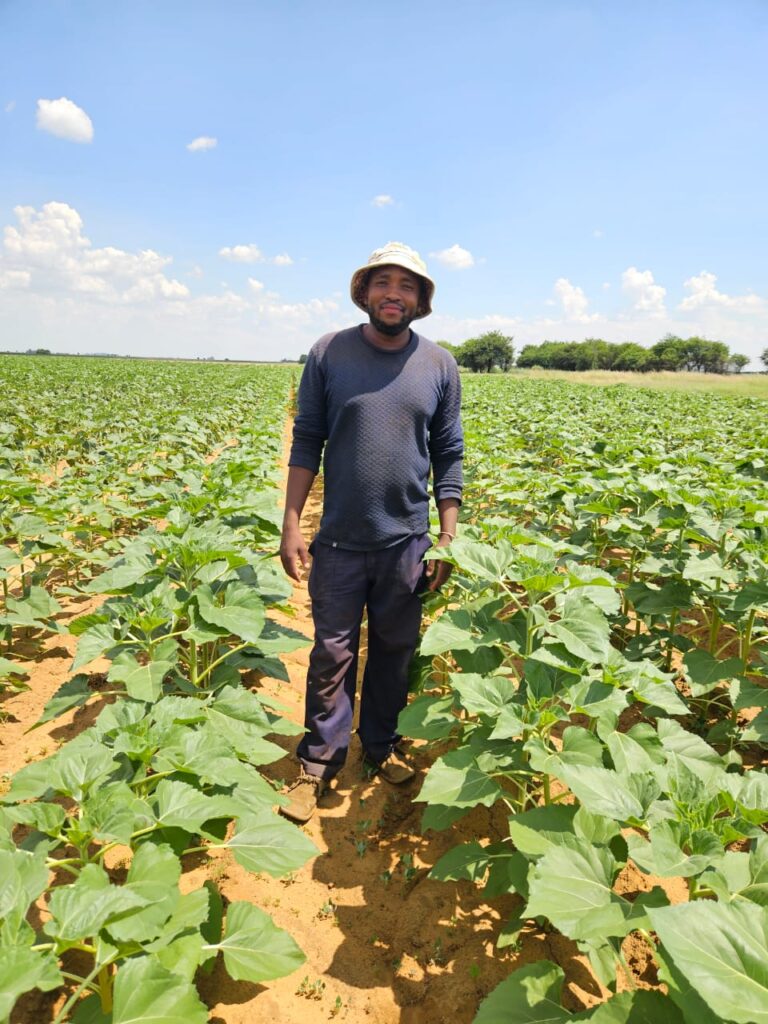
Farmers develop at different rates and those who are making good progress need to be serviced on a one-on-one basis on their own farms. We assist them with the development of a tailor-made business plan for their farm, as well as detailed support throughout the season.
The details of the coordinators for each region are available here. For more information, contact one of our regional coordinators below: