- Home
- About Overview
Grain SA serves the interests of grain and oilseed producers across South Africa
Grain SA is a voluntary, farmer-led industry organisation representing over 7,852 commercial members and 5,891 developing grain producer members. Grain SA serves the interests of grain and oilseed producers across South Africa growing maize, wheat, sunflower, soybeans, barley, canola, groundnuts, oats, lupines and sorghum.
Operational regions
Supported commodities
Commercial members
Developing grain producer members
Strategic Intent
Grain SA’s intent is to enable a sustainable, profitable, inclusive and competitive grain sector that delivers enduring value to society. Through its work, Grain SA contributes to:

FOUNDED IN
1999
Food Security
By ensuring access to affordable, nutritious, and safe grains.
Rural Upliftment
Through skills, employment, and infrastructure.
Environmental Resilience
Through sustainable farming and stewardship.
Economic Growth
By strengthening domestic and export-oriented agriculture.
Social Cohesion
Through transformation, equity, and opportunity.
OUR MISSION
Our mission is not only to react to change, but to drive it – for the benefit of every grain producer, large or small.
Grain SA’s strategic mission is to promote the profitability, resilience, and inclusivity of South African grain producers. Through evidence-based advocacy, innovation, and strategic partnerships, Grain SA works to create an enabling environment that ensures sustainable grain production, drives economic growth, and secures national food security while fostering transformation and rural development. Grain SA operates across the entire grain value chain and engages actively with all three spheres of government, regulatory agencies, and national lobbying platforms to influence policy, safeguard producer interests, and strengthen the sector’s long-term viability.
Profitability
Resilience
Inclusivity
Strategic Focus Areas
1. Farm Profitability
Grain SA works to improve the income and resilience of producers through:
-
Transparent monitoring of input costs, output prices, and tariff regimesNEW
-
Policy advocacy on issues like access to and the safe use of chemicals, diesel rebates, import duties, crop insurance and legislation
-
Tools and data that improve decision-making and financial sustainability
-
Profitability comparisons across cultivars, farming systems, regions and countries

2. Technology to Ensure Competitiveness
In a fast-evolving sector, Grain SA champions:
-
Widespread adoption of precision agriculture, mechanisation, and climate-smart practicesNEW
-
Development of NAMPO-Tech and artisan training for the future workforce
-
Research into next-generation cultivars (and other methodologies & technologies), drought tolerance, and pest resistance
-
Support for producer-driven innovation ecosystems and field trials
-
Availability of new technology to South African producers
3. Market Access
Grain SA facilitates efficient, fair markets by:
-
Advocating for free and transparent grain marketsNEW
-
Improving export logistics port efficiency, and biosecurity
-
Opening up new export markets; keeping current export markets and protecting the local market against unfair competition
-
Participating in JSE commodity reforms and tariff frameworks
-
Ensuring access to quality inputs and resolving disputes in the value chain
4. Transformed and Inclusive Food System
Transformation is not a programme – it is the strategy. Grain SA promotes:
-
Commercialisation of new-era black producers and poverty support through the Beyond Abundance Programme
-
Access to land, capital, mentorship, and training for previously excluded and next generation farmers
-
Youth and women inclusion across the grain value chainNEW
-
A diverse and credible member base that reflects the sector’s future
5. Farming for the Future, Today
Sustainability is woven into every priority:
-
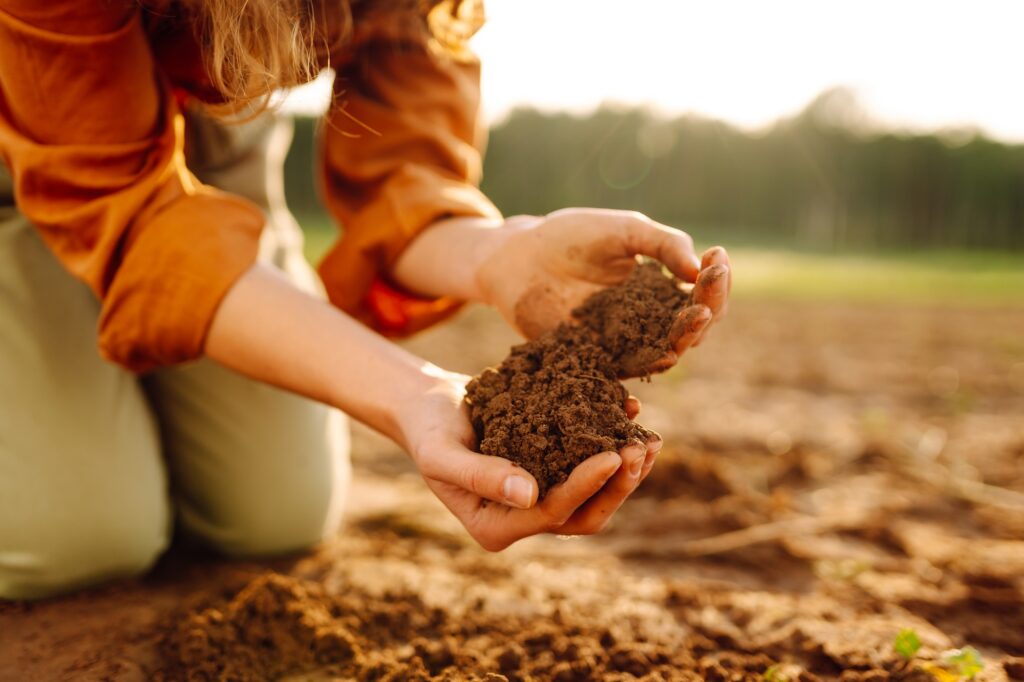
Environmental stewardship through soil health, biodiversity, and safe chemical useNEW
-
A proactive Environmental, Social, and Governance (ESG) roadmap to align with evolving global and consumer expectations
-
Research consortia for climate resilience, agronomic innovation, and conservation agriculture
-
Advocacy for balanced climate policy that protects producer viability
FOR OUR ATTENTION
Current Strategic Actions & Priorities
Economics & Advocacy
- Focus on maize and soybean exports;
- Lobbying for wheat, groundnut (including peanut butter) and sorghum tariffs i.e. a higher international reference price & an automated publishing system, also lobbying for a reduction in an import tariff of tractor tyres.
- Agro-Chemical derogations – to motivate the importance of certain products to remain available for grain producers, and to promote the safe use thereof.
- Input into the implementation of the new diesel rebate for April 2026 & implementation of the online rebate system for September / October 2026.
- Agro-Chemicals regulation navigation & influence (1A/1B products & restricted use products).
- Alternative differential investigation for soybeans and canola.
- Focus on profitability of wheat and maize industries.
- Fertiliser, lime and diesel price and quality monitoring.

Farmer Development (PGP)
- Assist farmers to apply for production loans.
- Pre and Post Investment support services as a Business Development Service provider to funders
- Manage production finance for various institutions.
- Mentor loan and grant funded farmers.
- Create opportunities for women and youth to participate in agriculture.
- Supporting over 1,100 farmers with mechanisation and inputs (R10m+).
- Operating 150+ study groups across 6 provinces.
Research, Agronomy & Innovation
- Coordinate grain research consortia to deliver impactful, producer‑aligned outcomes.
- Implement research projects addressing producer needs and sector sustainability within Plant Health, Climate Resilience, Crop Improvement, Food and Nutrition Security and Human Capital Development consortia.
- Strengthen plant health diagnostics, surveillance and national disease monitoring platforms.
- Lead herbicide resistance monitoring, molecular diagnostics and Herbicide Action and Resistance Platform (HARP)‑aligned research.
- Advance soil health, microbiome and agro‑biological innovation across grain systems.
- Strengthen partnerships through the National Grain Research Platform and industry bodies.
- Build departmental and national research capacity through skills development and recruitment.